How to use a type beat like Fullychop "Run down" legally and turn a free download into a release-ready track
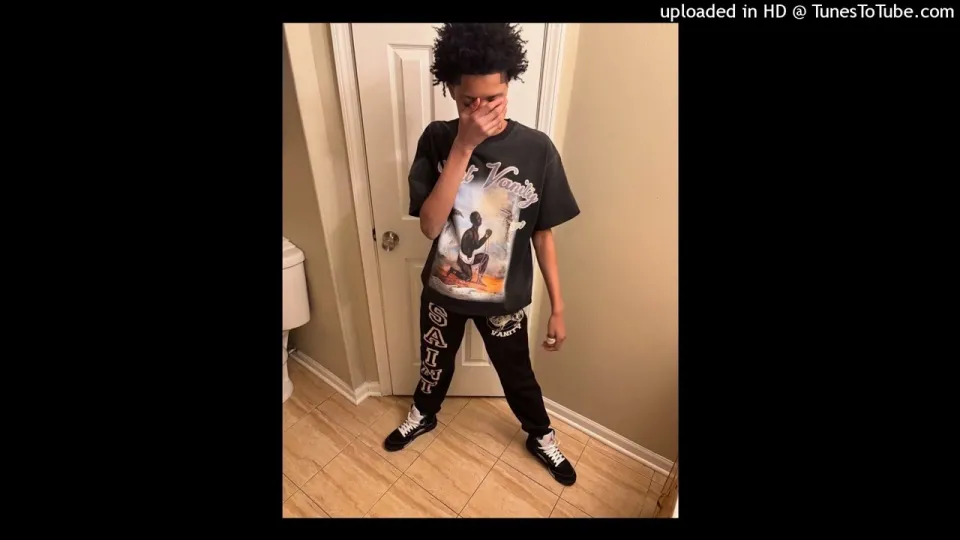
You can order the same kind of articles for your own video to boost it on YouTube and Google. Just message the Telegram bot @sat_sit_bot. The bot writes and publishes the articles itself (with your YouTube video embedded) on popular topical websites (no ads). Try it free: 50 articles on us.
· based on the channel Prod.Eman32x
Key takeaways
- Prod.Eman32x released the Fullychop type beat "Run down" on September 24, 2026, free for non-profit use only.
- Credit to eman32x is required in the title or description of any track that uses the beat.
- The beat is explicitly not licensed for Spotify or Apple Music distribution.
- Commercial use requires a direct message to Eman32x_ on Instagram to buy the beat.
- The production sits in the Atlanta drill lane, tagged alongside Lil Tony, L5, Lil Rae, 2sdxrt3all and Raqbaby type beats.
A type beat is an original instrumental built in the style of a specific artist or regional scene, sold or shared by a producer so that other artists can write and record over it. "Run down" by Prod.Eman32x is a Fullychop type beat released free for non-profit use only, with credit to eman32x required in the title or description and commercial or streaming use available only by purchase through Instagram. That single sentence covers most of what a rapper needs to know before downloading the file.
What a type beat actually is and why producers tag them
A type beat is a finished instrumental that imitates the sonic signature of a known artist without sampling or copying their actual songs, and it is usually published with an audio tag so the demo cannot be used as-is. Producers use the format because it solves a distribution problem: unsigned rappers want beats that already sound like the records they study, and producers want a searchable product that connects to an existing audience. The tag — a short producer name drop placed over the intro or a loop — protects the free version and pushes serious users toward a paid lease or exclusive.
In practice the type beat market splits into a few tiers:
- Free for non-profit: no money changes hands, but streaming platforms and monetized uploads are off limits.
- Leased: a paid, non-exclusive license with a defined stream or sales cap, usually delivered as untagged WAV plus tracked-out stems.
- Exclusive: the producer removes the beat from sale and transfers broader rights to one buyer.
The naming convention matters for discovery. A title like "Fullychop type beat" tells a rapper exactly which vocal style and tempo pocket the instrumental was designed for, and the hashtag list in the description does the same job for search: Lil Tony, L5, Lil Rae, Lil Dre6o, Rq Baby, 2sdxrt3all, Whyceg and Lil Birdie all appear as related searches. If you make Atlanta drill, those names are the map of the scene you are pitching into.
The exact terms on "Run down" by Prod.Eman32x
The license on this beat is restrictive in one direction and generous in another, and the difference decides what you can do with your recording. The download is labeled free for non-profit only, which means writing, recording, performing live and posting a snippet are fine, while earning money from the recording is not. Two clauses are stated in plain terms: credit to eman32x must appear in the title or description, and the beat is not free for Spotify or Apple Music. Those two platforms are named specifically, but the underlying logic — no commercial distribution without a license — applies to every store and streaming service.
Breaking the terms down as a checklist:
- Credit: put "eman32x" in the song title or in the description of any upload.
- Non-profit only: no ads, no paid downloads, no monetized catalog.
- No streaming distribution: do not deliver the track to Spotify, Apple Music or aggregators that feed them.
- Purchase path: direct message Eman32x_ on Instagram to buy the beat and clear commercial use.
- Tag: the free file carries the producer tag, so a clean untagged version comes with the paid deal.
Notice what is not restricted: you can still build a catalog of demos, shoot a video for social media, and use the beat to audition for engineers, managers or A&R contacts. The restriction is on revenue and distribution, not on creativity.
How to record over a Fullychop type beat and get a clean mix
A Fullychop-style beat rewards a specific vocal approach, and the mix has to leave room for it. These instrumentals typically run in the mid-tempo drill range with sliding 808s, sparse melodic loops and heavy hi-hat rolls, which means the low end is already crowded before a voice arrives. The practical answer is to treat the beat as fixed and shape the vocal around it rather than the other way round.
A repeatable workflow:
- Import the tagged MP3 or WAV and set your project tempo to match before recording anything.
- High-pass the vocal around 80–100 Hz so it does not fight the 808.
- Compress moderately and saturate lightly; drill vocals sit forward and aggressive, not smooth.
- Carve a narrow dip in the beat around 2–4 kHz if the vocal feels buried, rather than boosting the vocal broadly.
- Check the mix in mono on a phone speaker, since most first listens happen there.
If you plan to release commercially later, record your vocals to a clean instrumental and keep the raw takes. Swapping a tagged beat for a licensed untagged file at the end of the process is trivial; re-recording a performance to a different arrangement is not.
Common questions rappers ask before downloading a free beat
The recurring doubts around free type beats are about permission, credit and whether a demo can grow into a release, and each has a concrete answer. Producers who publish "free for non-profit" terms are usually trying to build a client list, so asking for a lease is expected rather than awkward. The message that gets a fast reply is short: the beat name, what you want to do with it, and your budget range.
Points worth settling before you upload anything:
- Credit format: the producer's handle in the title or description satisfies the requirement; a full producer credit in metadata is better practice.
- Ghostwriting and co-writes: if someone else writes your verse, agree in writing who owns the split before release, because the beat license does not cover authorship disputes.
- Content ID and monetization: a non-profit upload can still be claimed if the beat is registered, so keep the terms on file.
- Multiple versions: a lease usually covers one recording; a remix or a second verse over the same beat may need a separate arrangement.
- Proof of purchase: save the invoice and the message thread, since distributors ask for license documentation during review.
A demo recorded over a free beat is a legitimate calling card. Treating the license as a boundary rather than an obstacle keeps the relationship with the producer intact, which matters more than one release.
Where "Run down" fits in the Atlanta drill type beat market
The beat's search tags place it in the Atlanta drill and sample-beat lane, and that positioning tells you who the instrumental is built for. The description lists Lil Tony, L5, Lil Rae, Lil Dre6o, 2sdxrt3all, Rq Baby, Whyceg and Lil Birdie as reference points, alongside hashtags for hard beats, freestyle beats and Atlanta drill sample beats. That cluster describes a style built on tense melodic loops, deadpan delivery space and 808 patterns that leave gaps for ad-libs.
If you are choosing between type beats, match three things before you fall in love with a loop: tempo relative to your comfortable flow, the amount of empty space in the arrangement, and whether the tag sits somewhere you can live with in a demo. A beat that sounds enormous alone can swallow a low-register vocal, and a beat that feels plain alone often leaves the best pocket. "Run down" is pitched as a hard record, so write to its aggression rather than smoothing over it.
Release checklist for turning a type beat demo into a distributed track
Turning a free-beat demo into a track that can legally sit on streaming services requires a license upgrade and a paper trail, and the steps are the same regardless of genre. The order matters: clear the beat first, then master, then deliver, because a distributor will reject or pull a release whose license does not cover the platforms you selected.
- Buy the lease or exclusive from the producer and confirm in writing which platforms and monetization are covered.
- Get the untagged instrumental and, if offered, the tracked-out stems for a final mix.
- Confirm the required credit wording and place it in the release metadata and description.
- Register the composition and the master with your chosen royalty collection route, splitting the producer's share as agreed.
- Deliver to the distributor with the license file attached, then keep the receipt archived.
Skipping step one is the most common mistake: a track that performs well on a streaming platform without a cleared beat can be taken down at the worst possible moment, and the momentum is hard to rebuild.
Summary
The Fullychop type beat "Run down" is a free, non-profit-only instrumental from Prod.Eman32x, published on September 24, 2026, and usable for demos, videos and live sets as long as eman32x is credited and no money is made from it. Streaming on Spotify or Apple Music requires buying the beat through Instagram, and the purchase also removes the producer tag. Use the free file to write and test the record, then upgrade the license before you distribute. Prod.Eman32x built the beat and set the terms, so the fastest route to a clean release is a short, specific message asking for a lease.
Source: Fullychop type beat “Run down” · Markdown version
Questions & answers
Can I put a song over this type beat on Spotify?
No. The description states the beat is not free for Spotify or Apple Music, so distribution to those platforms requires a purchased license first. Record and test the song with the free file, then buy the beat before you deliver it to a distributor.
What exactly do I have to write in my credit?
The producer asks for eman32x to appear in the title or description of anything that uses the beat. The safest version is a full producer credit in the metadata plus the handle in the description, which also helps if a platform ever asks you to prove the license.
Is it okay to shoot a video or post a snippet using the free download?
Yes, non-profit use covers recording, performing and posting clips, provided the credit is in place and you are not monetizing the upload. If the video starts generating ad revenue or you want it on a paid platform, clear a commercial license with the producer.
How do I buy the beat and what should I say?
Message Eman32x_ on Instagram with the beat name, what you plan to do with it and your budget. Ask specifically whether the lease covers streaming, monetization and a clean untagged file, and keep the reply as your license record.